




Preparing your home before fall arrives is one of the easiest ways to avoid expensive repairs later in the year. A little maintenance now can improve comfort, lower energy costs, and help your home handle the colder months ahead.
Whether you've owned your home for years or recently moved in, creating a seasonal routine helps keep everything running efficiently.
Start with Your Roof and Gutters
Summer storms, leaves, and debris can create hidden problems that become worse during fall and winter.
Before temperatures drop:
- Inspect shingles for damage or missing pieces.
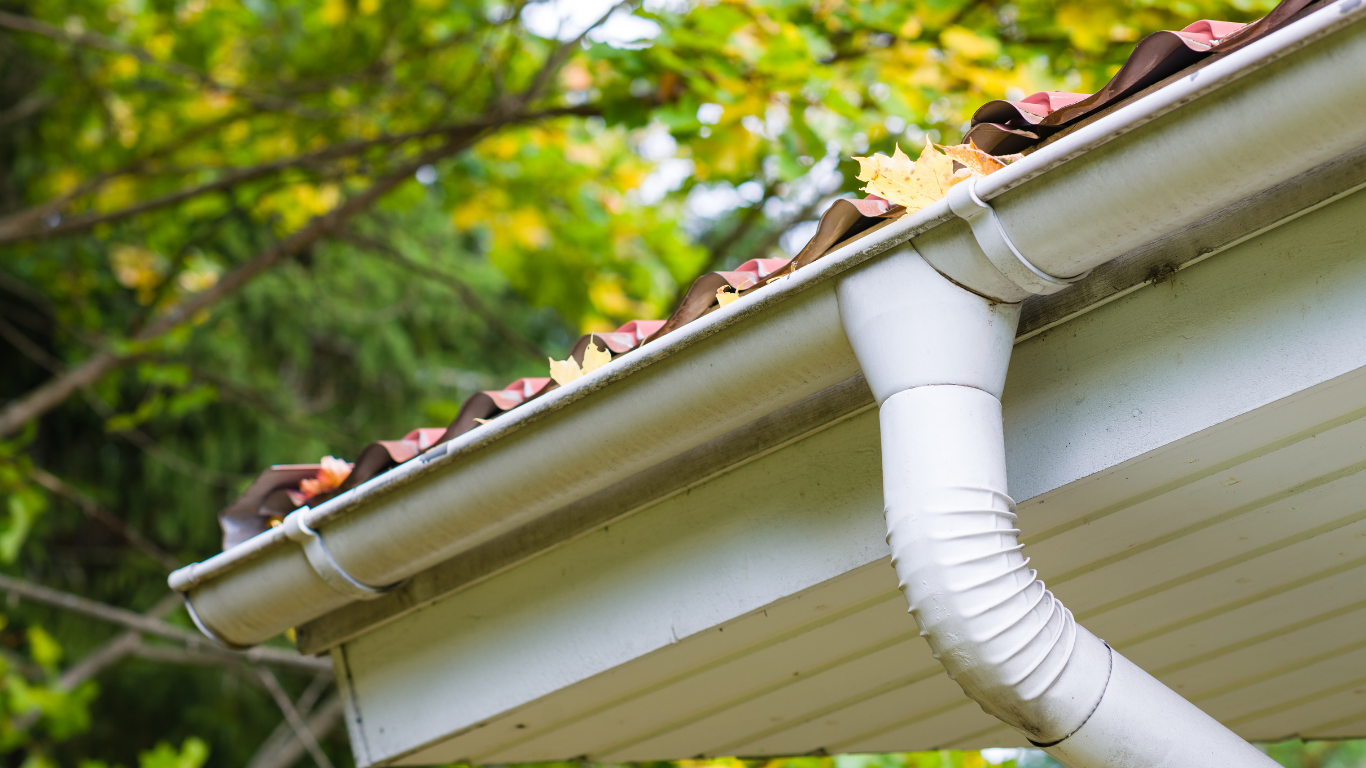
- Remove leaves and debris from gutters.
- Make sure downspouts direct water away from the foundation.
- Check for signs of leaks around flashing and roof vents.
Keeping water moving away from your home helps reduce the risk of moisture damage and ice buildup later in the season.
Check Windows and Doors
Small gaps around windows and doors may not seem noticeable during summer, but they can become a major source of heat loss once colder weather arrives.
Take time to:
- Replace worn weatherstripping.
- Apply fresh caulking where needed.
- Inspect door seals.
- Clean window tracks so they close properly.
Improving your home's seal can increase comfort while reducing heating costs.
Schedule Furnace Maintenance
Your heating system works hardest during winter, making fall the perfect time for a professional inspection.
Consider:
- Replacing furnace filters.
- Testing the thermostat.
- Cleaning vents and registers.
- Booking an annual HVAC service appointment.
Preventative maintenance can help improve efficiency and reduce the chance of unexpected breakdowns during the coldest months.
Inspect Your Home's Exterior
Walk around your property and look for anything that may need attention before harsh weather arrives.
Look for:
- Cracks in the foundation.
- Loose siding.
- Peeling exterior paint.
- Damaged deck boards or railings.
- Loose handrails on stairs.
Addressing minor repairs now often prevents larger issues later.
Prepare Your Yard
Fall maintenance isn't just about the house itself.
Trim back tree branches that hang over the roof, remove dead plants, and clean up outdoor spaces before leaves begin to accumulate.
If you have irrigation systems, review your plan for winterizing them before freezing temperatures arrive.
Test Safety Devices
Seasonal changes are also a great reminder to check home safety equipment.
Be sure to:
- Test smoke alarms.
- Test carbon monoxide detectors.
- Replace batteries if needed.
- Confirm fire extinguishers remain fully charged.
These small tasks take only minutes but provide valuable peace of mind.
Store Summer Equipment
Before the season changes completely:
- Clean patio furniture.
- Store garden hoses.
- Drain outdoor faucets if appropriate.
- Organize gardening equipment.
- Prepare snow removal tools before they're needed.
Being prepared now saves time once winter weather arrives.
Why Seasonal Maintenance Matters
Routine maintenance helps protect one of your largest investments.
A well-maintained home often experiences fewer emergency repairs, better energy performance, and can remain more attractive to future buyers. Buyers also appreciate homes that show consistent care, making regular maintenance beneficial whether you're staying for years or considering selling in the future.
Preparing your home before fall doesn't require a complete renovation. By spending a little time on preventative maintenance today, you can improve comfort, reduce unexpected repair costs, and help your home stay in excellent condition throughout the changing seasons.
Creating a fall home maintenance checklist each year is one of the simplest habits that pays off for both your home and your budget.
Check out this article next