




Small staging mistakes can lower offers before buyers even realize it.
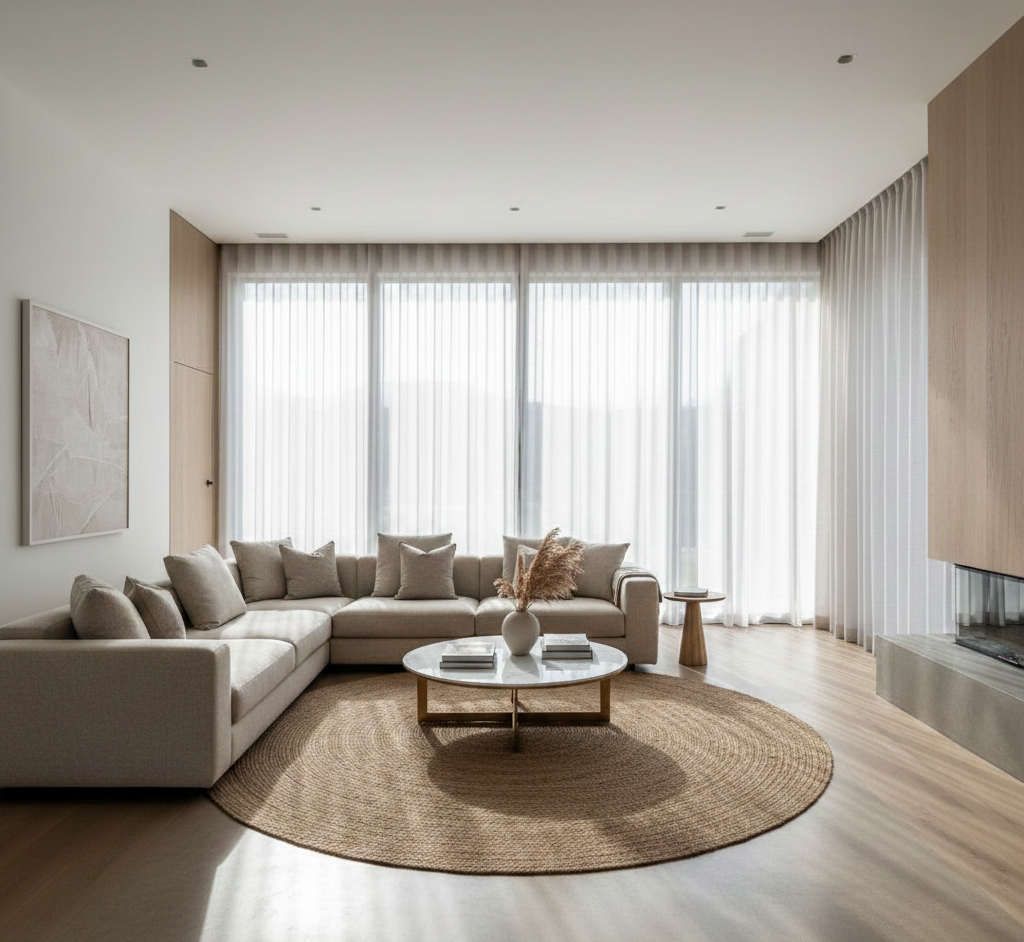
When preparing a home for sale, many sellers focus on cleaning and decluttering. While that helps, some of the most damaging home staging mistakes are less obvious and often overlooked. These issues may seem minor, but buyers notice them immediately and react by lowering their perceived value of the home.
Below are some of the most common home staging mistakes that can cost you time, money, and stronger offers.
Staging for Your Lifestyle Instead of Buyer Expectations
One of the biggest staging mistakes is designing rooms based on how you live rather than how buyers will use the space. A spare bedroom turned into a home office may be practical for you, but if most buyers in your area are young families, they are mentally searching for a nursery or children’s room.
When the function of a key room does not align with buyer expectations, buyers subconsciously downgrade the home, even if they cannot explain why.
Leaving Half-Finished Projects and “Almost Done” Repairs
Unfinished details signal risk to buyers. An unpainted drywall patch, missing trim, incomplete tile work, or a dated light fixture that was never replaced raises an important question in the buyer’s mind: If this was not finished, what else was skipped?
These small issues often lead to lower offers, inspection anxiety, and requests for credits.
Using the Garage as a Dumping Ground
Many sellers stage the main living areas well but push everything into the garage. While the house may look good, a cluttered garage suggests poor storage and lack of care.
Buyers view the garage as valuable square footage. A clean floor, organized shelving, and visible parking or workspace can significantly improve how the home is perceived.
Making Buyers Uncomfortable With Temperature
Temperature plays a major role in how buyers experience a home. A freezing house in winter or a stuffy home in summer creates instant discomfort.
Buyers do not interpret this as energy efficiency. Instead, they remember the home as unpleasant, which shortens showings and weakens emotional connection.
Ignoring Odors or Overusing Air Fresheners
Smell is one of the strongest emotional triggers for buyers. Pet odors, smoke, cooking smells, and mustiness can immediately turn buyers off.
Using strong sprays or plug-ins often makes buyers suspect you are covering something up. Deep cleaning, proper ventilation, and addressing odor sources directly are far more effective.
Letting Bathrooms Feel Tired or Unclean
Bathrooms must feel fresh, not just clean. Cloudy shower curtains, cluttered counters, poor lighting, and worn rugs create a sense of neglect.
Simple staging changes like bright lighting, crisp towels, clear counters, and spotless grout can transform a bathroom without a full renovation.
Relying Only on Harsh Overhead Lighting
Lighting strongly affects both listing photos and in-person showings. Overhead-only lighting creates glare, shadows, and a flat appearance.
Layered lighting that combines natural light, lamps, and softer fixtures makes rooms feel warmer, larger, and more inviting.
Blocking Natural Light With Heavy Window Treatments
Natural light is one of the top features buyers look for. Closed blinds, dark curtains, or heavy drapes make rooms feel smaller and darker.
Before listing, open blinds fully, clean windows, and replace heavy panels with lighter treatments when possible.
Neglecting the Entryway and Room Focal Points
First impressions matter. A cluttered entryway or lack of a clear focal point makes spaces feel disorganized.
A simple console table, mirror, clean rug, or artwork helps guide the buyer’s eye and sets a positive tone for the entire home.
Forgetting How the Home Sounds
Noise and echo are often overlooked. Hard surfaces can amplify sound, and exterior noise can create tension during showings.
Soft furnishings, rugs, curtains, and upholstered furniture help absorb sound and create a calmer environment.
Every moment of discomfort, confusion, or perceived work causes buyers to mentally lower their offer. Correcting these staging mistakes removes friction, builds confidence, and helps buyers form a stronger emotional connection with your home.
Thinking of Selling? Contact us today to schedule a staging walkthrough and position your home to sell stronger.
Check out this article next