



Learn about the costs of homeownership beyond the mortgage, including property taxes, insurance, utilities, maintenance, repairs, and other expenses.
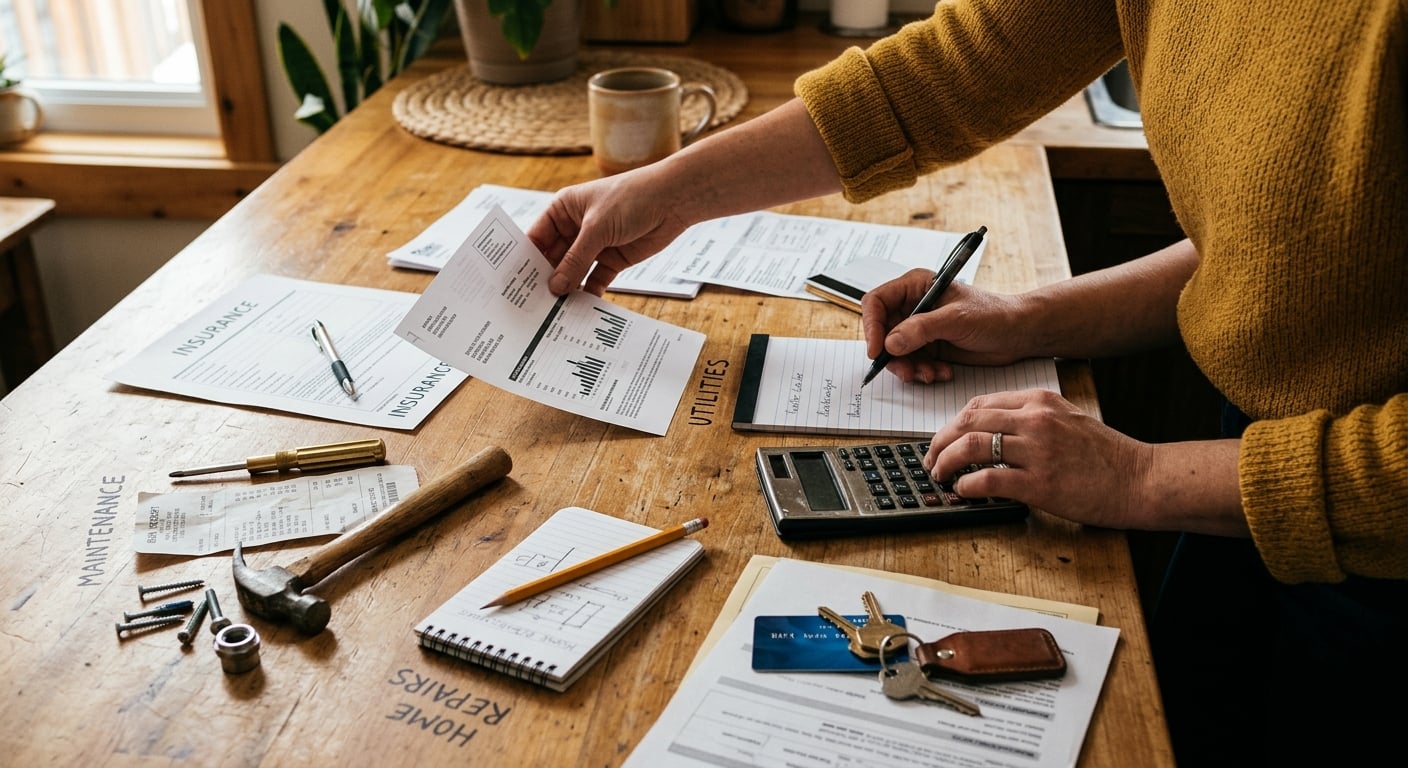
Buying a home is often discussed in terms of the mortgage payment. But your monthly mortgage is only one part of the cost of owning a home.
Before buying, it is worth looking beyond the purchase price and asking a more practical question:
What will this home actually cost me to own?
Property taxes, insurance, utilities, maintenance, repairs, and other expenses can all affect your monthly budget. Some are predictable, while others can come up unexpectedly.
Understanding these costs before you buy can help you choose a home that fits not just your purchase budget, but your long-term lifestyle.
1. Property Taxes
Property taxes are one of the most important ongoing expenses to account for.
The amount depends on factors such as the property's assessed value and the municipality where the home is located. If you are buying in Edmonton or another Greater Edmonton Area community, your property tax bill will be based on that municipality's taxation system.
When comparing homes, don't assume two similarly priced properties will have identical property tax expenses.
Before buying, check the property's current tax information and include it in your overall housing budget.
2. Home Insurance
A mortgage lender will generally require appropriate property insurance, but insurance is also an important part of protecting your home and belongings.
Your premium can depend on factors such as:
Property characteristics
Location
Coverage selected
Deductible
Claims history
Additional coverage needs
Home insurance is an ongoing expense, so it should be considered alongside the mortgage rather than treated as an occasional bill.
3. Utilities
Utilities can make a noticeable difference in the monthly cost of owning a home.
Depending on the property and what's included, you may need to budget for:
Electricity
Natural gas
Water
Wastewater
Garbage services
Internet
Other household services
A larger home may have different heating and electricity requirements than a smaller property. Older homes may also have different efficiency characteristics than newer construction.
If you're seriously considering a property, asking about typical utility usage can help you build a more realistic budget.
4. Maintenance and Repairs
Every home requires maintenance.
Some expenses are routine, such as:
Furnace servicing
Filter replacement
Gutter cleaning
Lawn care
Snow removal
Exterior upkeep
Others are less predictable.
A furnace, hot water tank, roof, appliance, garage door, or other major component may eventually need repair or replacement.
That is why it can be risky to budget every dollar of your income toward your mortgage and fixed expenses. Homeownership works better when your budget leaves room for maintenance and unexpected repairs.
5. Appliances and Household Replacements
The purchase price of a home doesn't necessarily mean everything inside it will last indefinitely.
Over time, homeowners may need to replace:
Refrigerators
Ovens
Dishwashers
Washers and dryers
Hot water tanks
Lighting fixtures
Window coverings
Other household equipment
These aren't necessarily monthly expenses, but they are part of the longer-term cost of owning a home.
6. Outdoor Maintenance
For a detached home, outdoor space can bring additional responsibilities.
Depending on the property, you may need to plan for:
Lawn equipment
Landscaping
Fertilizer and yard maintenance
Snow removal
Fence repairs
Tree maintenance
Seasonal upkeep
A large yard may be attractive when you're shopping, but it can also require more time and money to maintain.
7. Condo or Homeowners' Association Fees
If you are purchasing a condominium, condo fees are another important expense to understand.
These fees may contribute toward the operation and maintenance of common areas and shared building components.
The amount can vary significantly between properties.
Don't simply look at whether a condo has a low monthly fee. Understand what the fee covers, the condition of the building, and whether there are other financial considerations that could affect owners.
8. Closing and Move-In Costs
Some costs happen before you have even settled into the home.
Depending on the transaction, buyers may encounter expenses related to:
Legal services
Home inspection
Appraisal
Moving
Utility setup
Immediate repairs or improvements
New furniture or household items
Not every buyer will have the same expenses, but they should be considered when planning the total amount of cash needed for the purchase.
9. Renovations and Improvements
Once you own a home, you may want to make changes.
That could mean painting a room, updating flooring, improving a kitchen, finishing a basement, or making energy-efficiency improvements.
The important distinction is that wanting to renovate is different from needing to renovate.
When creating your home-buying budget, don't assume you will have unlimited money left over for improvements after closing.
10. The Cost of Being Unprepared
One of the biggest financial challenges of homeownership isn't a single bill.
It's being surprised by bills you didn't plan for.
A home that appears affordable based only on the mortgage payment may become less comfortable once property taxes, insurance, utilities, maintenance, and other expenses are added.
That's why the best home-buying budget considers the total cost of ownership, not just the monthly mortgage.
A Better Way to Calculate Your Housing Budget
Before deciding how much home you can afford, consider building your budget around several categories:
Mortgage + Property Taxes + Insurance + Utilities + Maintenance + Other Property-Specific Costs
Then leave some room for unexpected expenses.
The goal isn't to predict every dollar you will spend over the next several years. It's to understand the full financial picture before making a major commitment.
The Bottom Line
Owning a home comes with more expenses than the mortgage.
The good news is that many of these costs can be researched and planned for before you buy. Understanding them early can help you compare properties more realistically and avoid stretching your budget too far.
If you're looking at homes in Edmonton or the surrounding area, consider the complete cost of ownership for each property, not just the number attached to the mortgage.
A home should fit your lifestyle and your budget long after the keys are handed over.
Check out this article next